Government Schemes in India – A Complete Guide to Welfare Programs That Change Lives is not just policies written on paper—they are lifeline for millions of people across India. From a farmer waiting for crop support, to a student dreaming of higher education, to a family seeking affordable healthcare, government schemes touch almost every Indian household in some way.
Over the years, the Government of India and state governments have launched hundreds of welfare schemes to support citizens financially, socially, and economically. Yet, many people either don’t know about these schemes or are confused about how to benefit from them.
This article explains government schemes in India in a simple, human way—what they are, why they exist, who can benefit, and how they are helping build a stronger and more inclusive nation.
What Are Government Schemes?
Government schemes are welfare programs launched by the central or state government to support specific groups of people or address particular social and economic challenges. These schemes aim to improve living standards, reduce poverty, create employment, promote education, and ensure access to basic facilities like healthcare, housing, and food.
In simple words, government schemes are support systems designed to help citizens live a better, safer, and more dignified life.
Why Government Schemes Are Important in India
Government Schemes in India – A Complete Guide to Welfare Programs That Change Lives India is a diverse country with people from different income levels, regions, and social backgrounds. Not everyone starts life with the same opportunities. Government schemes exist to reduce this gap.
Some key reasons government schemes are important include:
Supporting economically weaker sections
Promoting education and skill development
Improving healthcare access
Encouraging employment and self-reliance
Empowering women, farmers, and senior citizens
Boosting rural and urban development
Without these schemes, millions of people would struggle to access basic necessities.
Types of Government Schemes in India
Government schemes can be broadly classified into several categories based on their purpose.
1. Education-Related Government Schemes
Education is the foundation of a strong nation. The government runs multiple schemes to ensure that no child or youth is denied education due to financial problems.
Key Education Schemes
Scholarships for school and college students
Mid-Day Meal Scheme for school children
Skill development programs for youth
Digital education initiatives
These schemes help reduce dropout rates, encourage higher education, and promote skill-based learning.
For many students from poor families, a scholarship or free meal at school is the reason they continue their education.
2. Employment and Skill Development Schemes
Unemployment is one of the biggest challenges in India. Government schemes focus on creating jobs, improving skills, and promoting self-employment.
Popular Employment Schemes
Skill training programs
Rural employment guarantee schemes
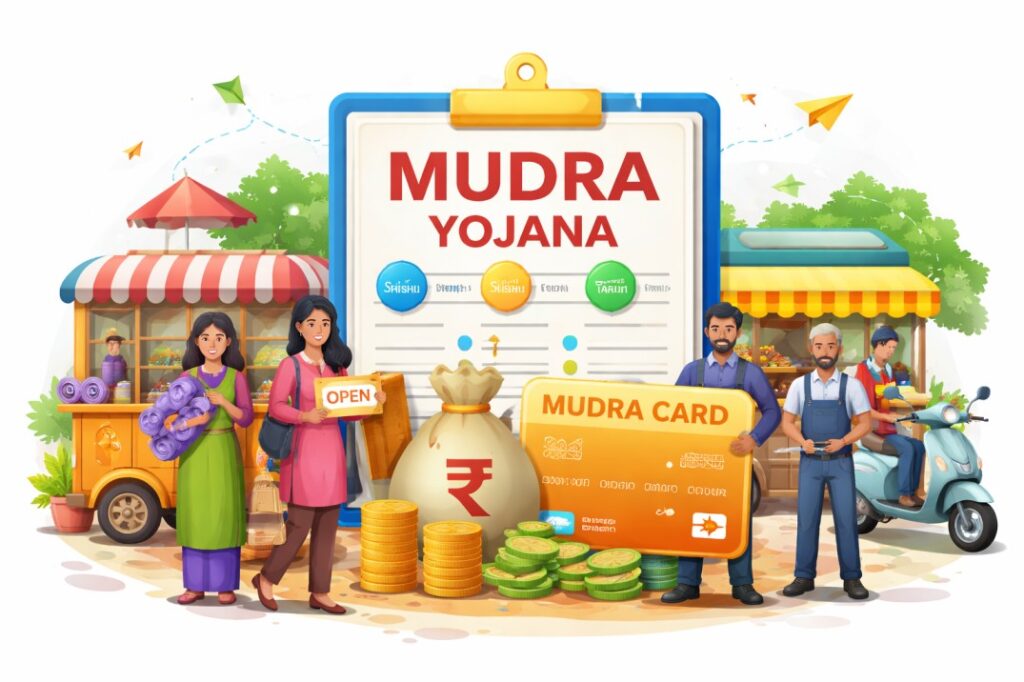
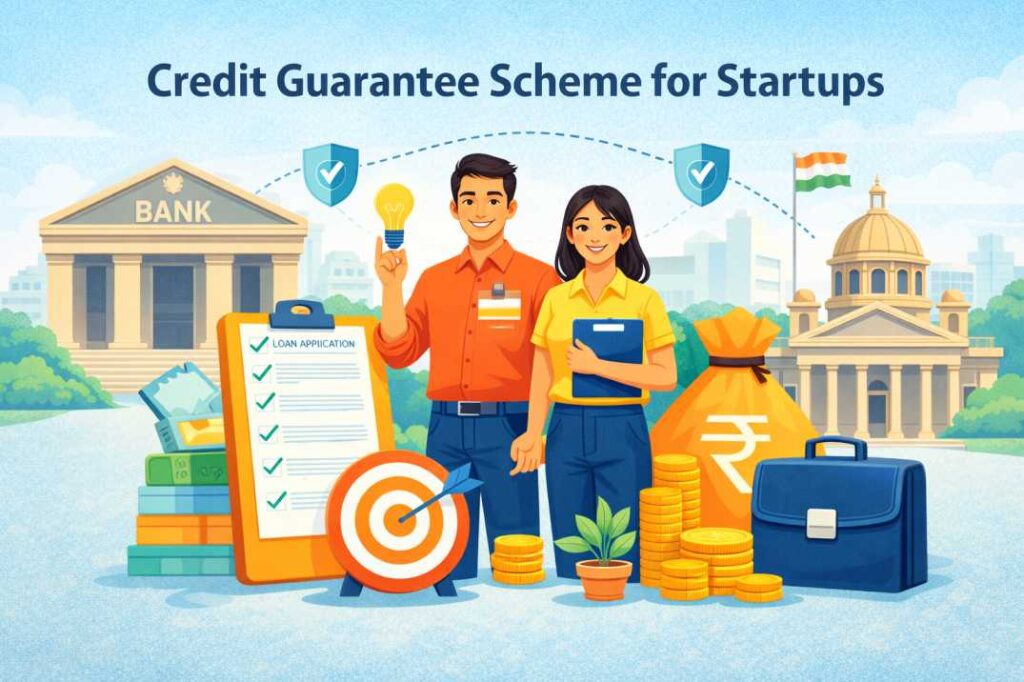
Startup and entrepreneurship support
Self-employment loan schemes
These initiatives help youth gain practical skills, find jobs, or start small businesses.
A skilled worker earns with confidence, dignity, and independence.
3. Healthcare Government Schemes
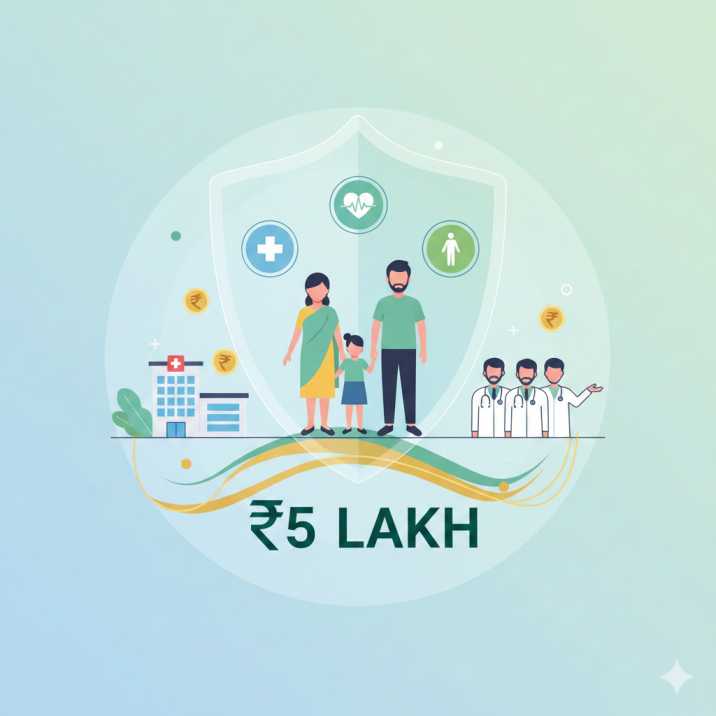
Healthcare costs can push families into debt. Government healthcare schemes aim to provide affordable or free medical treatment, especially for the poor.
Healthcare Scheme Benefits
Free or cashless hospital treatment
Health insurance coverage
Maternal and child health support
Vaccination and preventive care
These schemes ensure that financial hardship does not stop someone from receiving medical care.
For many families, a health scheme means the difference between treatment and suffering.
4. Women-Focused Government Schemes
Women’s empowerment is central to India’s development. Government schemes for women focus on education, health, financial independence, and safety.
Areas Covered
Girl child education
Maternity benefits
Women’s self-help groups
Financial inclusion and savings schemes
These programs help women become economically and socially stronger.
When a woman becomes financially independent, the entire family benefits.
5. Farmer Welfare Schemes
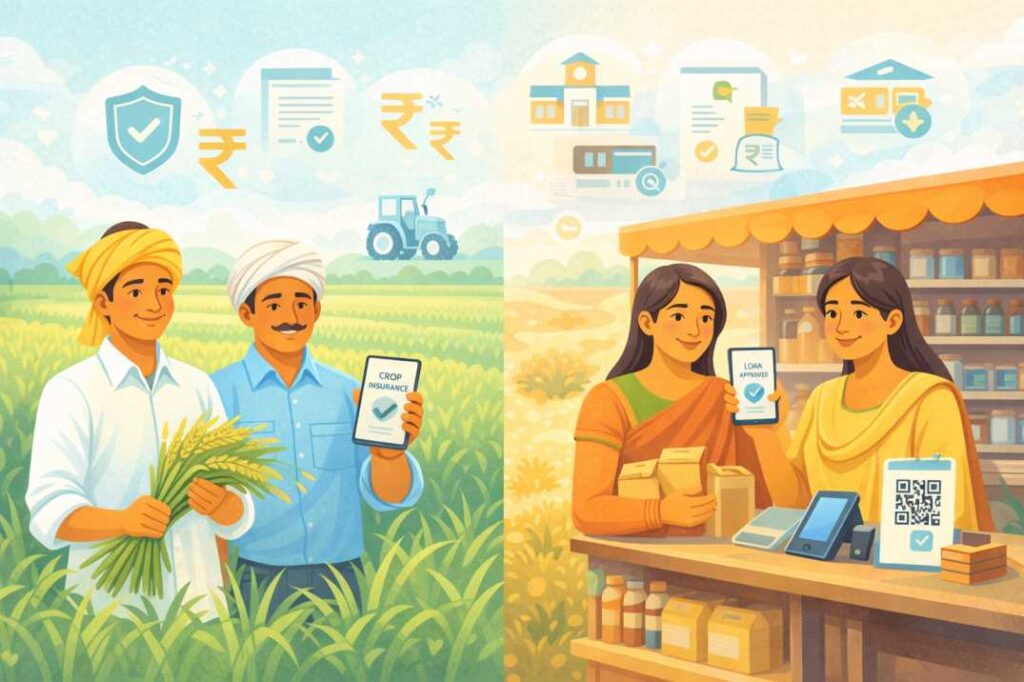
Farmers are the backbone of India, yet agriculture faces uncertainty due to weather, market fluctuations, and rising costs. Government schemes support farmers through financial aid, insurance, and infrastructure development.
Key Farmer Support Areas
Crop insurance
Direct income support
Subsidies on seeds and fertilizers
Irrigation and storage facilities
These schemes help reduce risk and improve farmers’ livelihoods.
A stable farmer means food security for the entire country.
6. Housing and Urban Development Schemes
Safe housing is a basic need. Government housing schemes aim to provide affordable homes to the poor and middle-class families.
Housing Scheme Features
Financial assistance for home construction
Subsidized home loans
Slum rehabilitation
Urban infrastructure development
These initiatives improve living conditions and social dignity.
7. Financial Inclusion and Banking Schemes
Many Indians were once outside the formal banking system. Financial inclusion schemes help citizens open bank accounts, save money, and access credit.
Key Benefits
Zero-balance bank accounts
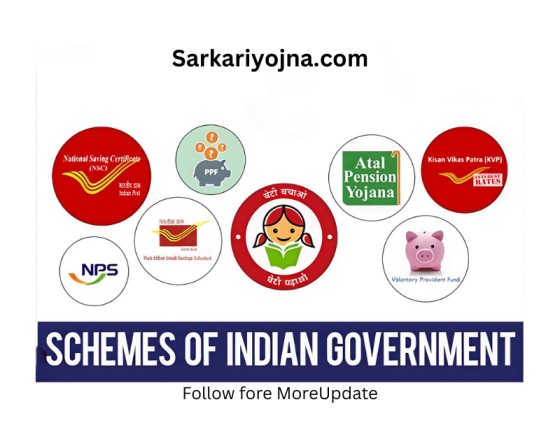
Insurance and pension coverage
Direct benefit transfers
Digital payments
These schemes promote transparency and economic stability.
8. Senior Citizen Welfare Schemes
Senior citizens often need financial security and healthcare support. Government schemes ensure dignified aging.
Support Areas
Pension schemes
Healthcare benefits
Savings schemes with guaranteed returns
These programs help elderly citizens live independently.
More Info Click:https://www.india.gov.in/my-government/schemes
How Government Schemes Are Implemented
Government schemes are implemented through:
Central ministries
State governments
Local bodies (panchayats, municipalities)
Banks and financial institutions
Digital platforms
With increasing digitization, many schemes now offer online applications and direct benefit transfer, reducing corruption and delays.
Direct Benefit Transfer (DBT) – A Game Changer
One of the biggest improvements in government schemes is Direct Benefit Transfer (DBT). Under DBT:
Money is sent directly to the beneficiary’s bank account.
Middlemen are eliminated
Transparency increases
This ensures that the right person receives the right benefit at the right time.
Challenges in Government Schemes
Despite their benefits, government schemes face some challenges:
Lack of awareness among people
Complex application processes
Documentation issues
Limited digital literacy in rural areas
However, continuous improvements and digital initiatives are helping overcome these challenges.
Role of Digital India in Government Schemes
Digital India has transformed how schemes reach people:
Online portals for applications
Aadhaar-based verification
Mobile apps for tracking benefits
Technology has made schemes faster, more transparent, and more accessible.
How to Check Eligibility for Government Schemes
To benefit from any government scheme, citizens should:
- Check official government portals.
- Read the eligibility criteria carefully.
- Keep documents ready
- Apply only through official channels.
Avoid agents who ask for money—most government schemes are free.
Why Awareness Matters
Many people miss benefits simply because they don’t know a scheme exists. Awareness through:
Websites
Social media
Local offices
Community programs
can help ensure schemes reach the people who need them the most.
Government Schemes and Self-Reliant India
Government schemes play a major role in building an Atmanir bhar Bharat (Self-Reliant India) by:
Encouraging skill development
Supporting entrepreneurs
Reducing dependency on aid
They empower citizens to stand on their own feet.
Future of Government Schemes in India
The future focus of government schemes includes:
More digital integration
Personalized benefits
Skill-based employment support
Sustainable development
The goal is not just welfare, but long-term empowerment.
Final Thoughts
Government schemes are not charity—they are investments in people. When implemented effectively and used wisely, these schemes can change lives, uplift communities, and strengthen the nation.
From education to healthcare, employment to housing, government schemes ensure that growth is inclusive and meaningful. For citizens, the key is awareness and participation. For the nation, these schemes represent hope, opportunity, and progress.
If even one scheme helps a child study, a farmer survive a bad season, or a family get medical care, it has already served its purpose.